 Eva's Laced Lawn Care
Enhancing Outdoor Spaces for Better Water Management
Managing water runoff and keeping soil stable are vital tasks in any landscape. These challenges often arise due to heavy rains or poor land design. Well-planned landscaping can help, but achieving the best results often requires a specialized approach. This is where hard surfaces come into play. They not only add structure to outdoor spaces but also play a crucial role in directing water flow and maintaining soil integrity.
The Role of Hard Surfaces in Water Flow Control
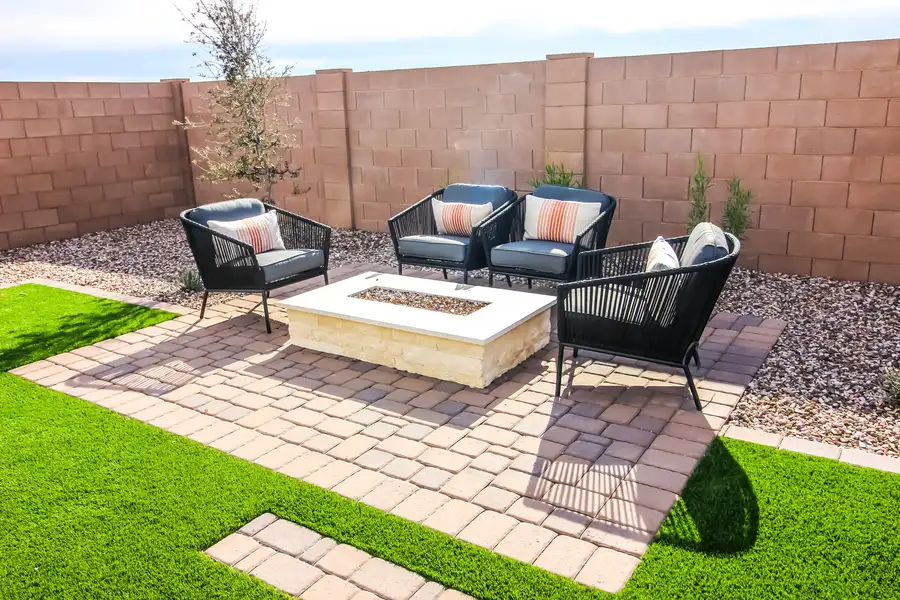
Hardscaping involves using materials like stone, concrete, and bricks to create patios, walkways, and retaining walls. These elements provide more than just beauty to a yard; they effectively manage water drainage. By carefully positioning these hard surfaces, excess water can be redirected away from areas where it might cause damage.
Maintaining Soil Integrity With Structured Designs
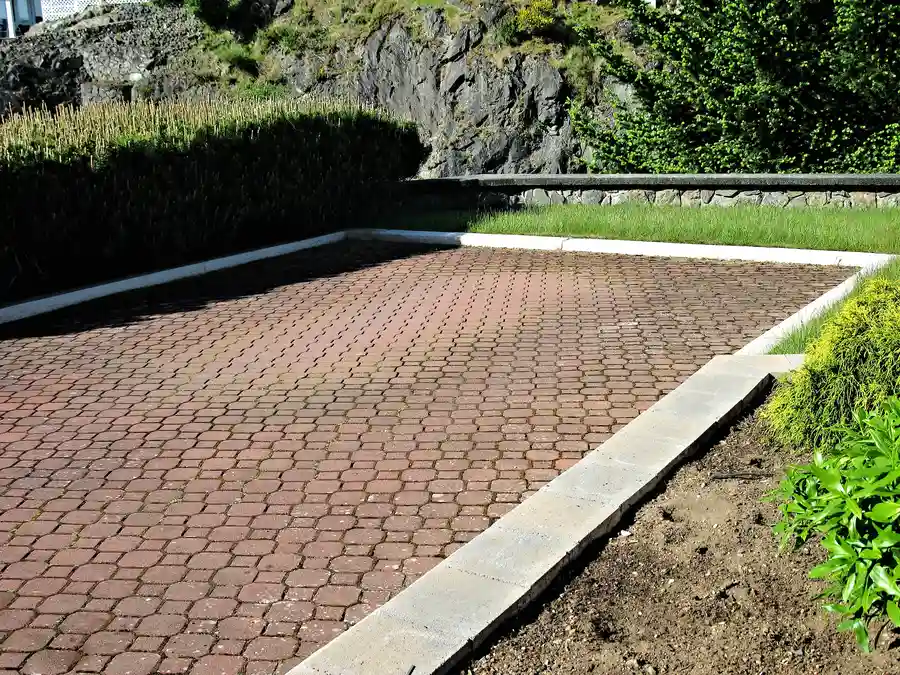
Implementing hard surfaces can significantly enhance soil stability by preventing erosion. This is achieved through strategic placement of retaining walls and barriers that keep the soil in place. The use of hardscaping minimizes the risk of landslides on slopes and ensures that plant roots have a stable environment to grow.
Key Benefits of Using Solid Materials Outdoors
There are several advantages to incorporating structured designs into your landscape:
- Improved direction of rainwater, reducing pooling and flooding
- Enhanced soil retention on slopes to prevent erosion
- Increased property value through aesthetically pleasing features
- Reduced maintenance costs by minimizing damage caused by unmanaged water flow
Addressing Common Landscaping Challenges
Poor drainage and unstable soil are common problems faced by homeowners. Without proper management, these issues can lead to costly repairs and unsightly landscapes. Hard surfaces offer practical solutions by providing paths for water to travel safely away from vulnerable areas, thus preserving both the landscape’s appearance and function.
Steps to Implement Effective Solutions
- Assess your property’s topography to identify potential problem areas.
- Select suitable materials that blend well with the natural surroundings.
- Design structures that guide water flow efficiently.
- Install retaining walls where necessary to support soil on sloped areas.
- Regularly inspect and maintain these installations to ensure long-term effectiveness.
Best Practices for Optimal Landscape Design
To achieve the best results, consider working with professionals who specialize in outdoor structures. They can offer valuable insights on design and material selection. It’s essential to prioritize quality over cost when choosing materials, as this will ensure durability and longevity. Always incorporate native plants that thrive alongside hard surfaces, enhancing both beauty and functionality.
Budget-Friendly Considerations for Homeowners
The initial investment in solid structures may seem high, but the long-term benefits outweigh the costs. By preventing extensive water damage and soil loss, you save money on repairs and maintenance over time. Additionally, enhancing your outdoor space with functional designs increases your home’s market appeal, offering a return on investment should you decide to sell.
Your Path to a Durable Outdoor Space
If you’re looking to improve your yard’s water management and stability, consider integrating structural features into your design plan. In New Baltimore, MI, we provide expert guidance tailored to local conditions. At Eva's Laced Lawn Care, our team specializes in transforming landscapes into resilient and beautiful environments. To learn more about how we can assist you, call us at (313) 765-4303.